To the people of principle, those who seek to live by a code of ethics and integrity regardless of the prevailing dogma, I offer this observation: The true measure of your principle is not where you worship, but how you treat the stranger you will never see again.
I’ve spent time observing the world, and recently, a truth has become startlingly clear: The highest examples of unconditional kindness often do not come from within the walls of institutions built on the promise of reward. They come from the people standing right next to us our friends, neighbors, and colleagues who operate on a simple, foundational belief: doing the right thing is its own reward.
The Institutional Blind Spot
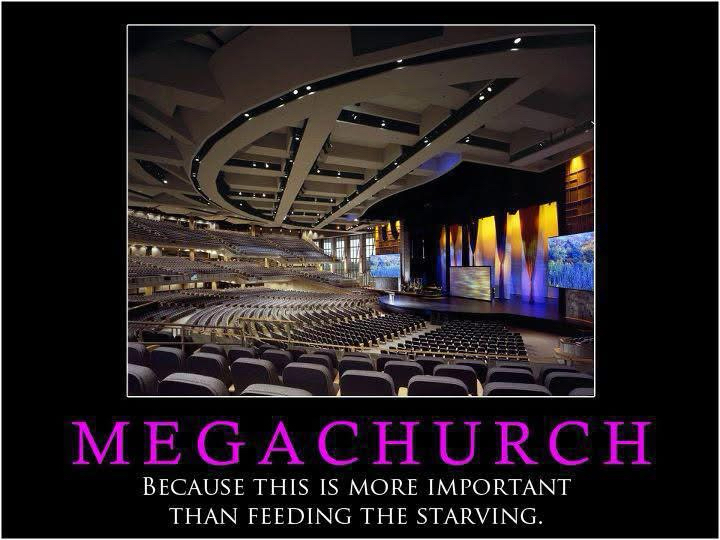
The irony is sharp. Many institutions religious or otherwise preach the virtue of giving while simultaneously creating an environment of entitlement and selective charity among their members. Tithing becomes a tax on conscience, a ritualistic act to check a box rather than an overflow of genuine compassion.
We see people dedicating immense time and resources to an organization, yet they hesitate to offer a simple, random act of kindness to a person they pass on the street. The focus shifts from the person in need to the platform that promises salvation or status.
This is the institutional blind spot: It substitutes collective obligation for individual, spontaneous love.
The Power of Unconditional Giving
The deepest spiritual principle, the one that transcends doctrine and denomination, is presence. It is the ability to see the person in front of you the one who is struggling, the one who is celebrating, or simply the one who is invisible to everyone else and respond with love and support, without agenda.
My greatest inspiration comes from my non-believing friends. They don’t give because a book told them they will be rewarded in an afterlife. They give because it is a moral imperative. They show up because they understand the human contract: we are here to lift each other up. They embody the truest form of the principle often preached but rarely practiced: service in the slums. Not the actual slums necessarily, but the messy, unglamorous, unacknowledged corners of everyday life where real need resides.
When you operate from principle, you don’t need a middleman. You recognize that the divine spark or fundamental human worth resides within every single person, including yourself. There is no “in” group or “out” group; there is only us.
A Call to Principle-Driven Action
If you are a person who lives by principle, your mission is simple:
1. Stop the Division: Refuse to let any group religious, political, or social dictate who is worthy of your love and effort.
2. Act Out of Love: Make every interaction a transaction of compassion. If you can help, help. If you can listen, listen. Do it because it is right, not because you get credit.
3. Be the Example: If you find yourself in an institution that demands you give to it while ignoring the world around it, remember your highest loyalty is to the principle of love itself.
The greatest revolution is not one of organized protest, but one of radical, everyday kindness. Get back to the basics. Get back to the principle. Make every move out of love.
For a deeper dive into this topic, listen to the full conversation on the podcast.
 Pop’s Culture