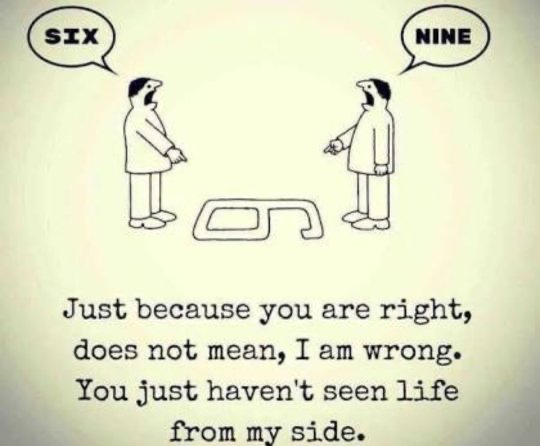
As we journey through life, we collect principles, facts, and beliefs, the cornerstones of our worldview. We gather them from school, trusted mentors, and, most powerfully, our parents. Yet, as the years tick by and new information floods the zone, we often discover that some of these foundational “truths” are actually outdated, incomplete, or simply wrong.
This isn’t a cause for anger. Instead, it’s a moment for grace. We must acknowledge that those who taught us did the best they could with the information they had available at the time. Their limitation was one of knowledge, not intent.
The Great Divide: Adjust or Refuse
In our hyper-connected world, new information, some of it revolutionary, some of it complete nonsense—is released almost hourly. This constant influx forces a critical choice upon every person of principle:
Adjust and Be Open-Minded: Embrace the new data, re-evaluate old positions, and allow your understanding to evolve.
Refuse and Defend: Dig in your heels, deny the new information, and refuse to admit that you could have been wrong or misinformed.
True intelligence, many wise people suggest, isn’t about how much you know, but your willingness to adjust what you know as you gain better information. The more I learn, the more profound that feeling becomes: the more I realize I don’t know.
The Inner Check-Up
Paradoxically, this realization, this conscious acceptance of my own fallibility, has made me less judgmental and far more understanding of other ways of thinking.
So, I put this question to you, as a person committed to living by principle:
How do you handle the uncomfortable reality of being wrong?
Are you open to hearing new ways of thinking and willing to admit you may have been misled, even by those you love and trust?
Or do you immediately turn away from anyone or anything that challenges your established beliefs?
This requires a truly honest, inward look at how you react when your perspective is opposed:
If your immediate response is anger, disrespect, or reverting to personal attacks and name-calling, it’s a strong indicator that your core belief system may be built on a sand foundation.
The truth doesn’t need to be defended with aggression; it simply is. When your reaction is volatility, it suggests that you are defending the ego that owns the belief, not the belief itself.
In a world with very few absolute truths, let’s strive to be open-minded, willing to listen, and slow to discredit a way of living or thinking just because it isn’t our own. The willingness to change your mind is the hallmark of a truly strong mind.
What is your honest self-assessment? Share your thoughts below.
 Pop’s Culture